
BTL and Brand Activations in the Modern Era
Modern BTL is a connected experience system: physical craft, content design, live data, CRM capture, creator distribution, and measurable business impact.
By Morgan Crowley
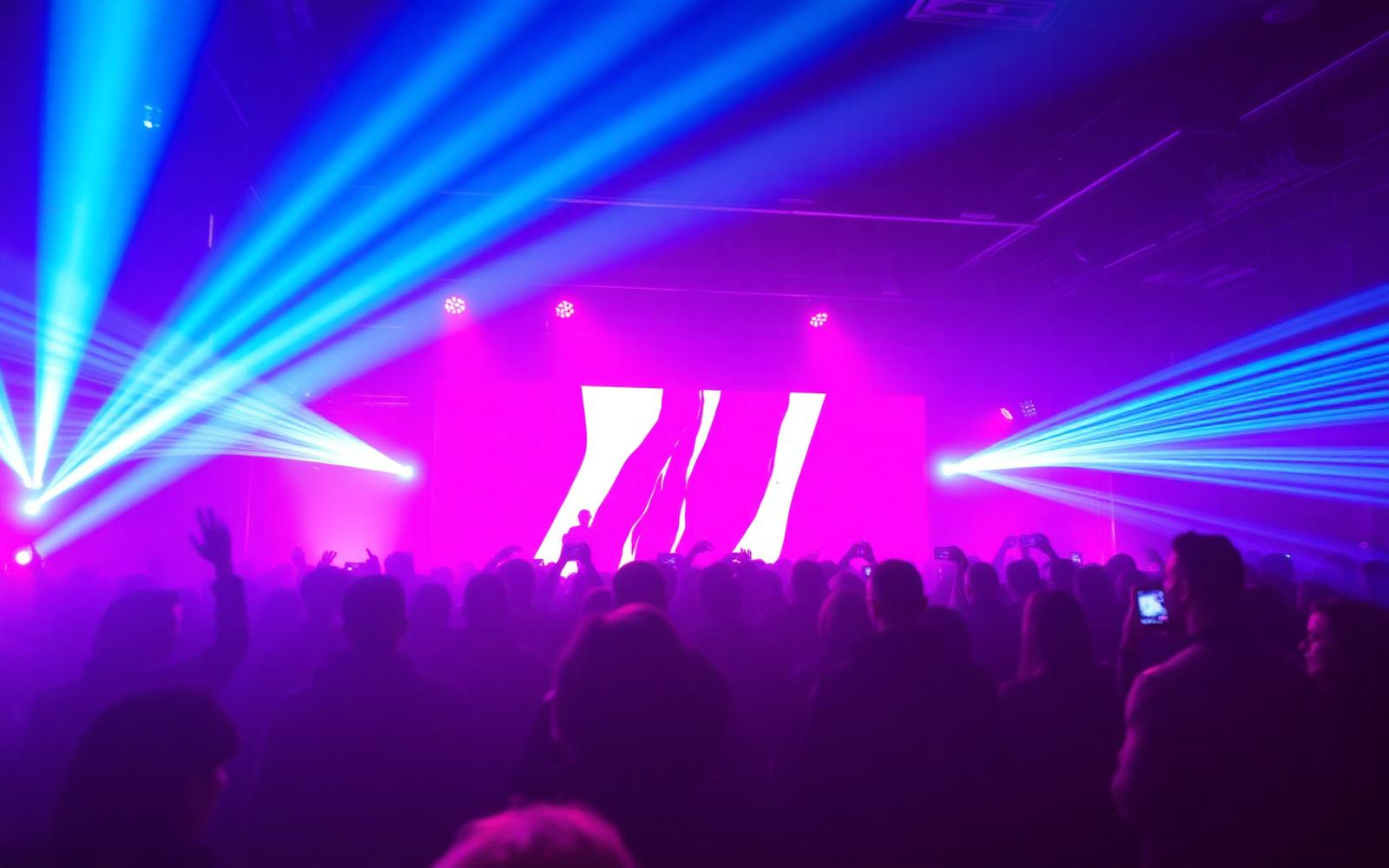
BTL did not disappear. It evolved. What used to be a booth, a promoter, and a sample is now a live brand product that must work in the room, on the phone, in the database, and across the content ecosystem.
The new expectation is full-funnel performance. Footfall and dwell time still matter, but they are not enough. A modern activation should create attention, generate content, capture first-party data, influence search behavior, support retail or e-commerce conversion, and produce insights the brand can use after the event ends.
This changes how the work is designed. The photo opportunity cannot be an afterthought. The QR flow cannot feel like a form. The sampling moment cannot be disconnected from the customer journey. Every touchpoint needs to serve both the guest experience and the business objective.
AI and data tools now make activations more intelligent. Pre-event, teams can test concepts faster and simulate creative routes. On-site, computer vision and sensor data can measure behavior with more accuracy. Post-event, social listening and LLM analysis can convert thousands of interactions into useful strategic learning.
The strongest activations are built around a simple emotional contract: give the guest something worth doing, worth sharing, and worth remembering. If the activation only extracts attention, it fails. If it creates status, utility, delight, or belonging, it earns participation.
Distribution must be planned from the beginning. Most people who experience a great activation will not attend physically. They will encounter it through short-form video, creator posts, press, social sharing, and brand channels. Designing for the camera is not superficial; it is part of designing the total audience.
BTL in the modern era is no longer below the line. It is where brand, data, retail, content, and community meet in real time. The brands that understand this stop treating activations as events and start treating them as growth infrastructure.
BTL grew up
Below-the-line used to mean sampling tables and promoters. Today it means owned retail theatre, community events, and physical media that a brand controls end to end — with attribution attached.
The discipline changed because measurement changed. A well-built activation now produces consented contacts, commerce, and content, which makes it defensible in a CFO conversation.
The three jobs of a modern activation
Job one: create a demonstration only physical presence can deliver. Job two: convert attention into a permission-based relationship. Job three: produce a content library that keeps working for months after the truck leaves.
An activation that does only the first job is a beautiful cost. One that does all three is an investment with a measurable return.
Retail as the highest-intent stage
Retail floors combine intent, inventory, and staff in one place, which makes them the most underrated activation venue in most markets. A fixture that teaches the product converts better than a stand that only decorates.
We design fixtures for the store's real constraints — footprint, restock, cleaning, and the eight seconds a shopper gives a display before moving on.
Measurement that survives scrutiny
Set the baseline before the activation, isolate a control set of stores or cities where possible, and track sell-through, capture rate, cost per consented contact, and content output per peso.
When those numbers exist, activation budgets stop being the first line cut in a difficult quarter.